Facelift Surgery in Norwich, CT
If you are considering facelift surgery in Connecticut, Connecticut Surgical Arts offers personalized facial rejuvenation designed to restore a more youthful, refreshed appearance while preserving your natural facial expressions and individuality.
Natural-Looking Facial Rejuvenation at Connecticut Surgical Arts
A facelift, also known as a rhytidectomy, is a facial cosmetic surgery procedure designed to improve sagging skin, jowls, loss of jawline definition, and other visible signs of aging affecting the lower face and neck.
At Connecticut Surgical Arts, facelift surgery is approached with a strong understanding of facial anatomy, precision, and natural-looking rejuvenation. Modern facelift surgery is not simply about pulling or tightening the skin. Instead, the deeper supporting tissues of the face are carefully repositioned while excess skin is removed or redraped.
The goal is not to make you look like a different person. It is to help restore a more youthful facial contour while preserving the characteristics and expressions that make you look like yourself.
What Can a Facelift Improve?
As we age, the skin gradually loses elasticity and the deeper facial tissues begin to descend. These changes can affect the cheeks, jawline, lower face, and neck.
Facelift surgery may improve:
- Sagging skin along the lower face
- Jowls
- Loss of jawline definition
- Lower facial laxity
- Cheek and midface descent
- Loose skin beneath the chin
- Neck laxity
- Deepening facial folds
- Changes in overall facial contour
A facelift primarily addresses tissue descent and laxity. Other concerns, such as pigmentation, sun damage, fine lines, or facial volume loss, may require additional surgical or nonsurgical treatments.
Our Approach to Facelift Surgery
At Connecticut Surgical Arts, we believe facial rejuvenation should look balanced, refreshed, and natural.
The deeper structures beneath the skin play an important role in facial aging. Depending on your anatomy and goals, facelift surgery may involve repositioning the SMAS, or superficial musculoaponeurotic system, along with other deeper facial tissues.
By addressing these supporting structures rather than relying on skin tension alone, the goal is to improve facial contour without creating an excessively tight or “pulled” appearance.
No two patients age in exactly the same way, which is why your surgical plan is developed around your anatomy, degree of facial aging, health, and individual goals.
Types of Facelift Surgery
There is no single facelift technique that is best for every patient. Your surgeon will evaluate your facial anatomy and recommend the approach most appropriate for you.
Deep Plane Facelift
A deep plane facelift repositions deeper facial tissues while allowing the overlying skin to move naturally with those structures. In appropriately selected patients, this technique may provide significant rejuvenation of the midface, lower face, and jawline.
SMAS Facelift
A SMAS facelift addresses the deeper supporting layer beneath the skin. Variations of SMAS-based techniques can be customized depending on the patient’s anatomy and degree of facial aging.
Mini Facelift
A mini facelift is generally less extensive and may be appropriate for patients with earlier or more localized facial laxity. It is typically reserved for patients who do not have significant neck laxity.
Neck Lift
A neck lift may be performed alone or in combination with a facelift when loose neck skin, muscle laxity, or fullness beneath the chin is a significant concern.
Ultimately, the best facelift technique is determined by your anatomy and goals—not simply by the name of the procedure.
Facelift and Neck Lift
The face and neck are closely connected aesthetically. For many patients, treating both areas can create a more harmonious and balanced result.
A neck lift may address:
- Loose neck skin
- Platysma muscle laxity
- Excess fat beneath the chin
- Loss of definition between the jawline and neck
Facelift surgery frequently includes treatment of the neck, particularly when lower facial aging and neck laxity occur together.
Who Is a Candidate for a Facelift?
Facelift surgery may be appropriate for patients with noticeable facial or neck laxity who are looking for a longer-lasting improvement than nonsurgical treatments can provide.
Good candidates generally have realistic expectations, are in good overall health, and are bothered by changes such as jowls, sagging skin, loose neck tissue, or declining jawline definition.
There is no single best age for a facelift. Some patients may benefit from surgery in their 40s, while others may not consider treatment until their 50s, 60s, or later. Timing depends more on anatomy, facial aging, health, and individual goals than chronological age alone.
Schedule Your Facelift Consultation
Your consultation is an opportunity to speak directly with your surgeon about your facial aging concerns, medical history, anatomy, treatment options, recovery, potential risks, alternatives, and realistic expectations.
If you are considering a facelift in Norwich, CT, Connecticut Surgical Arts can help you determine which surgical approach may be appropriate for your individual needs.
Before & After Gallery
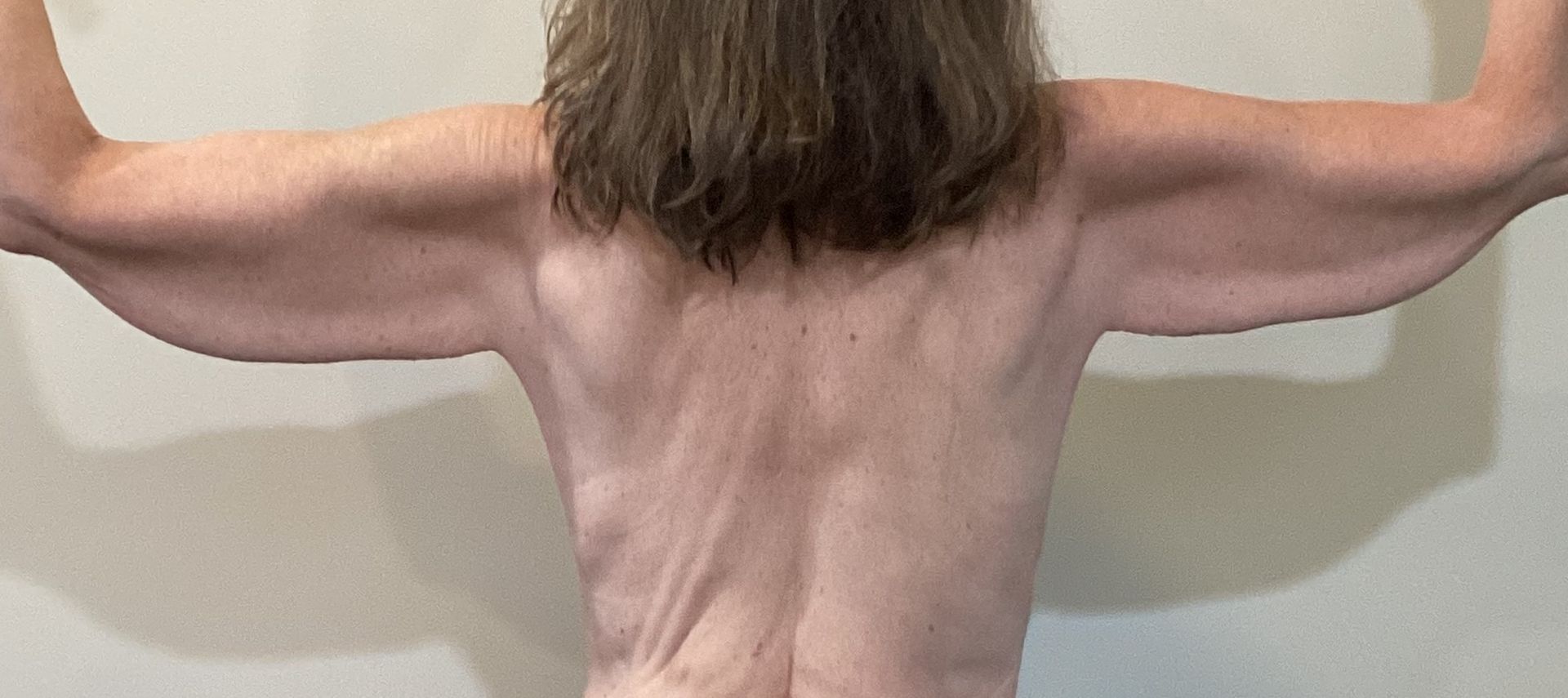 Before
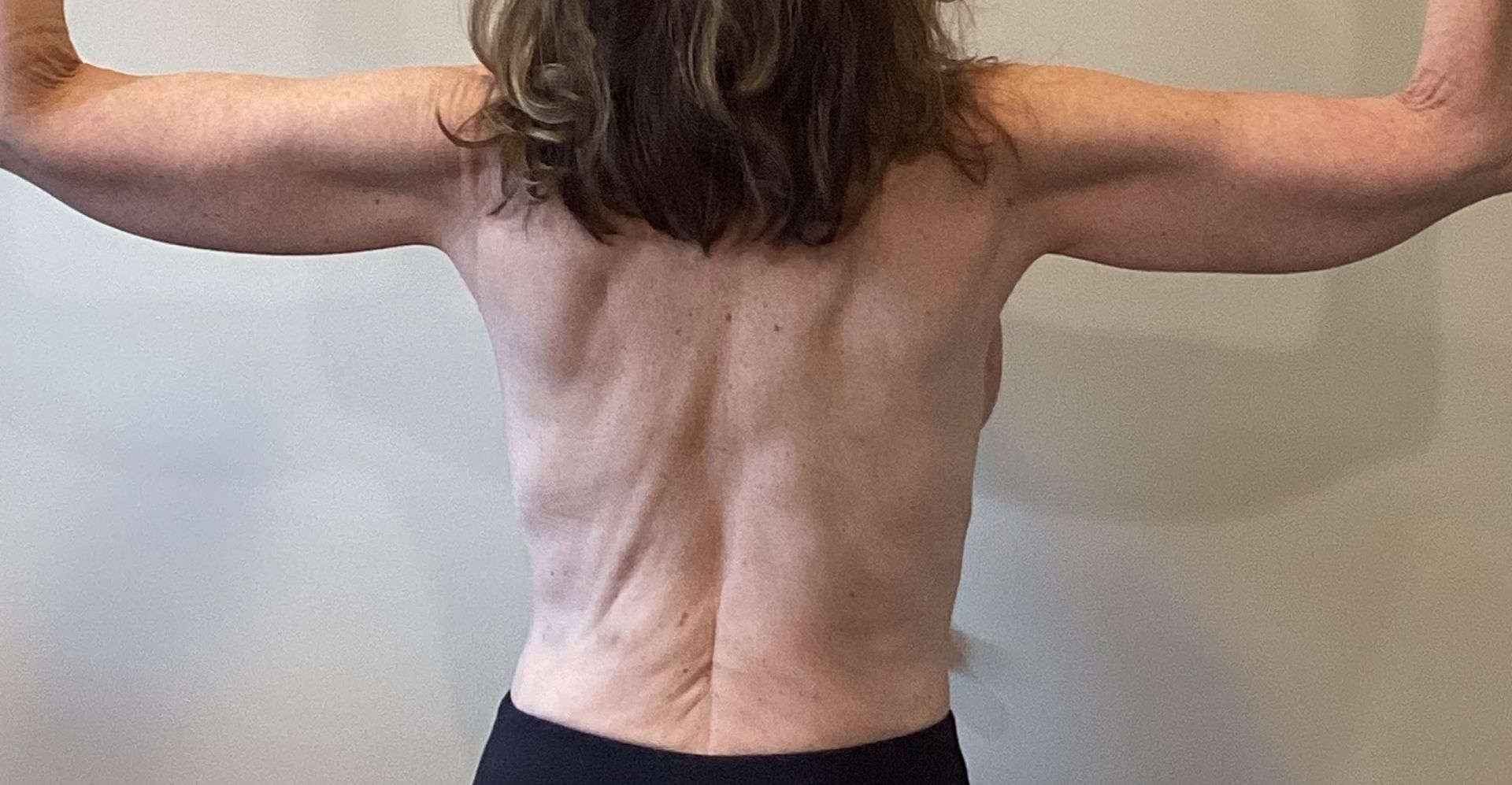 After
After
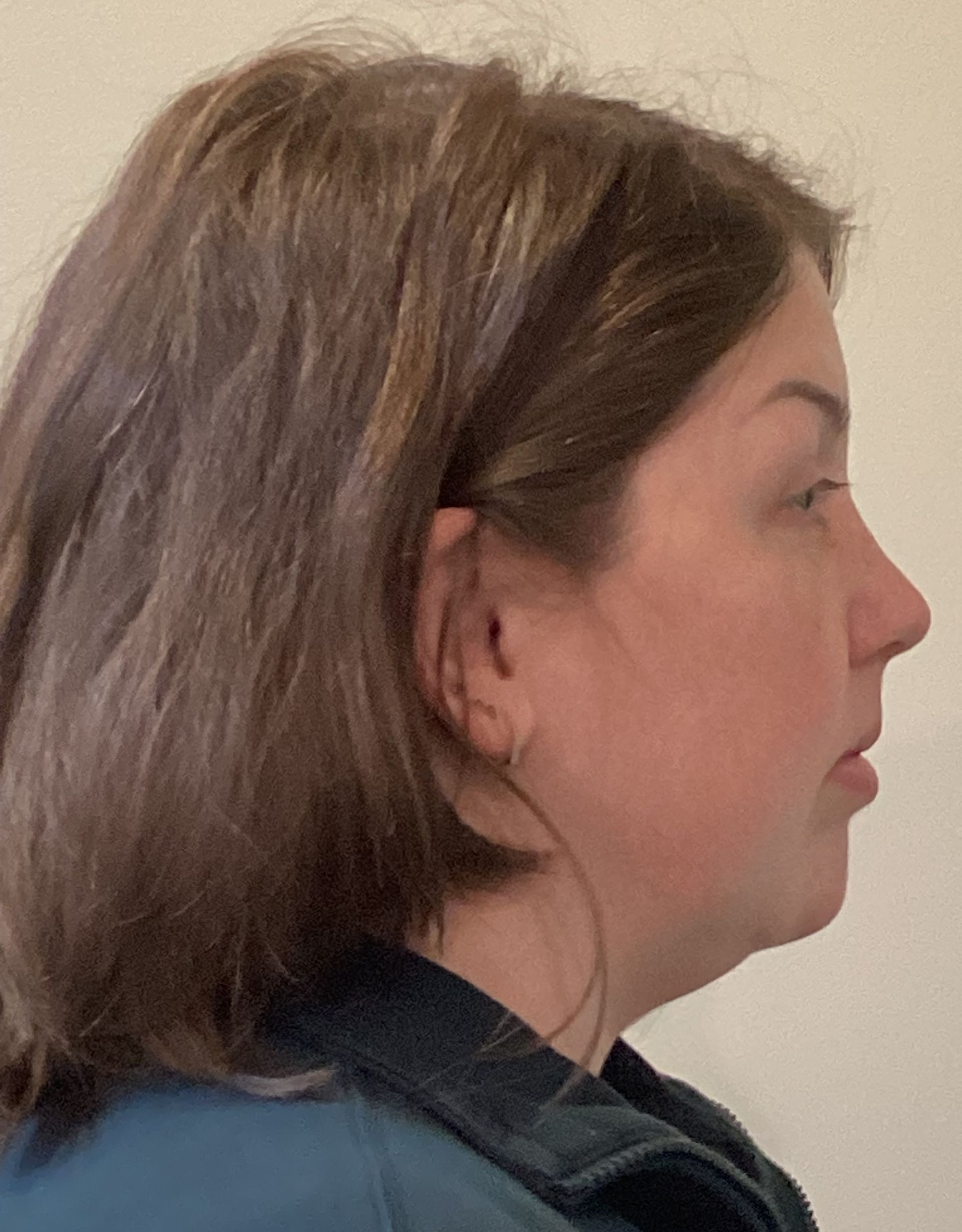 Before
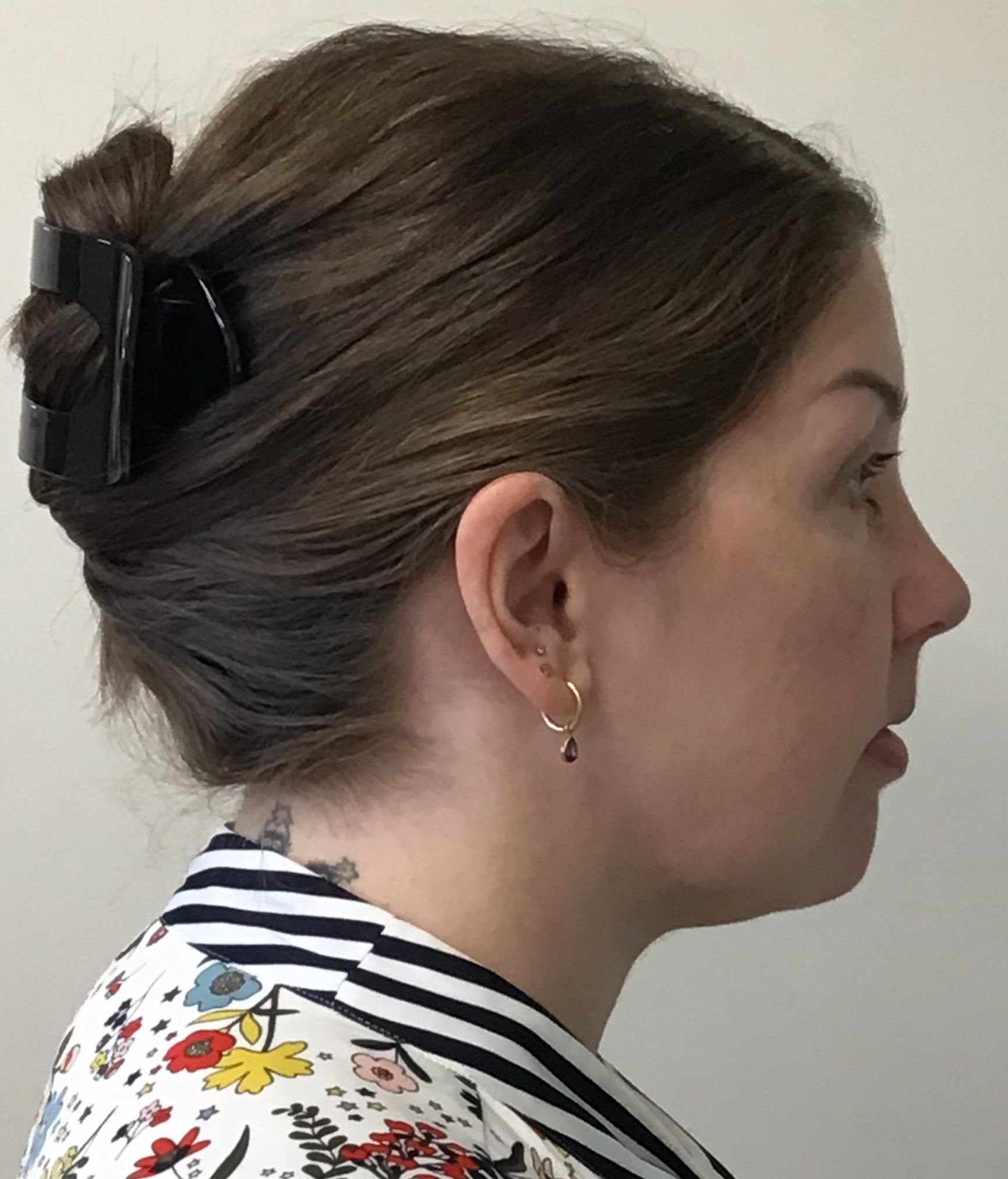 After
After
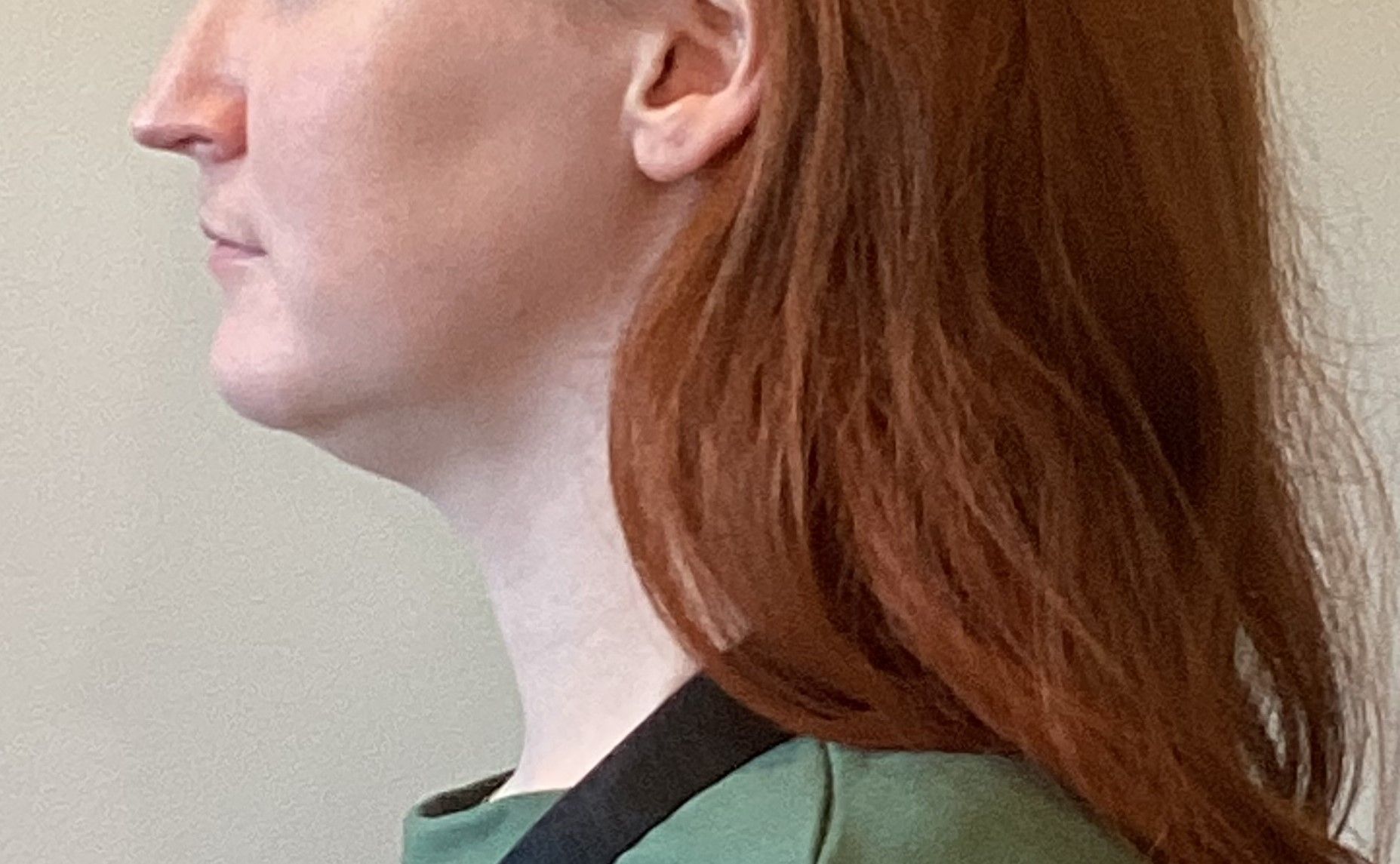 Before
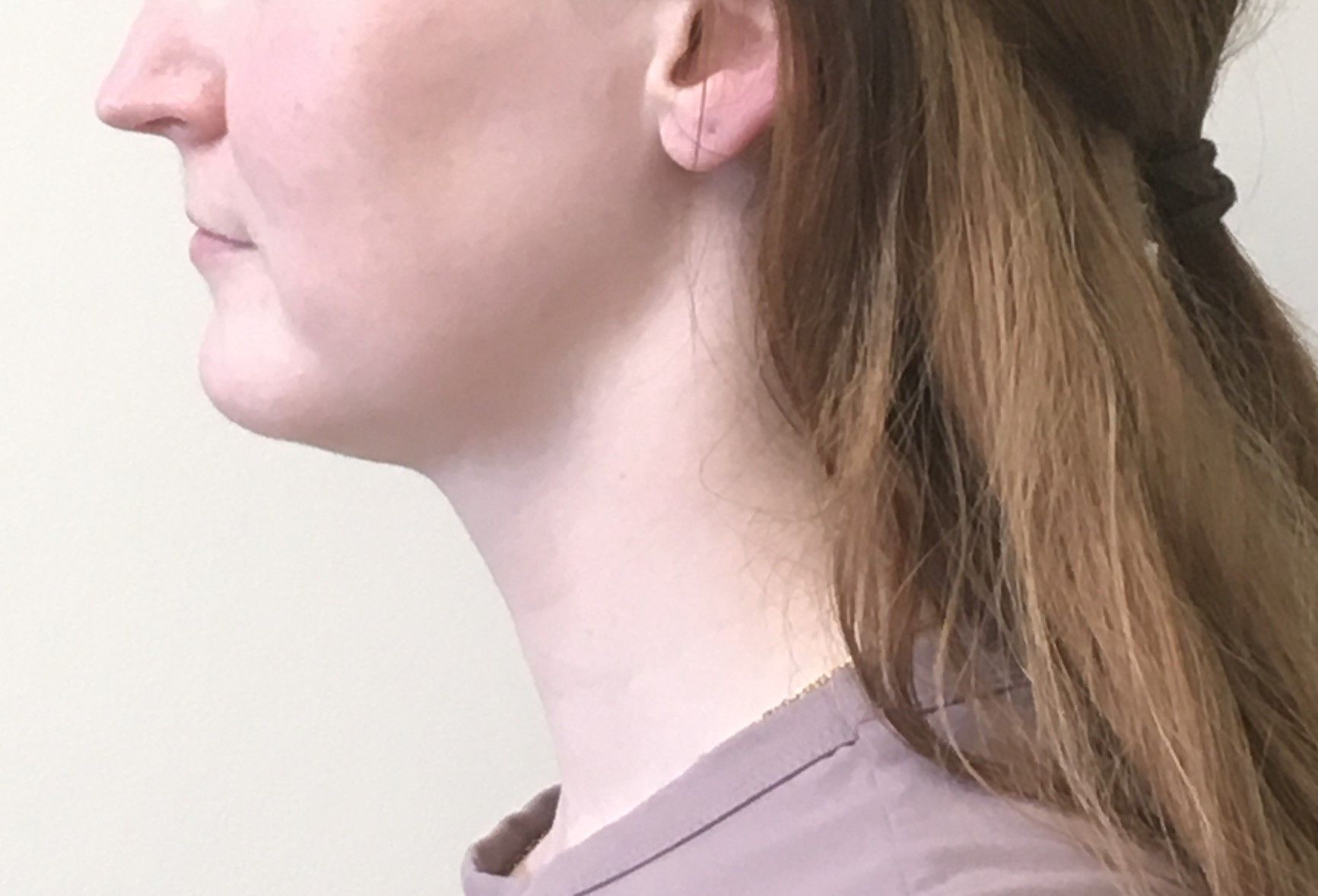 After
After
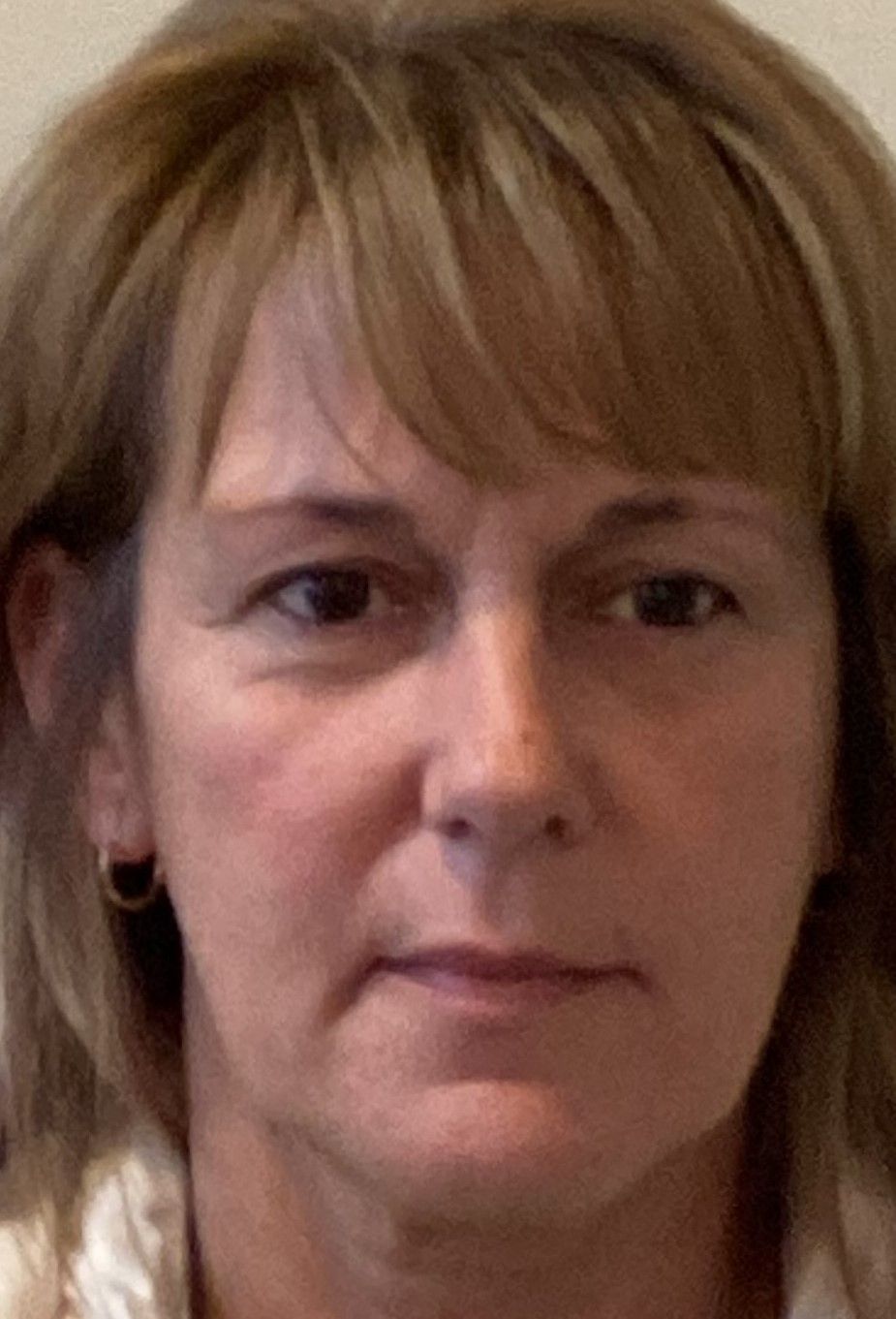 Before
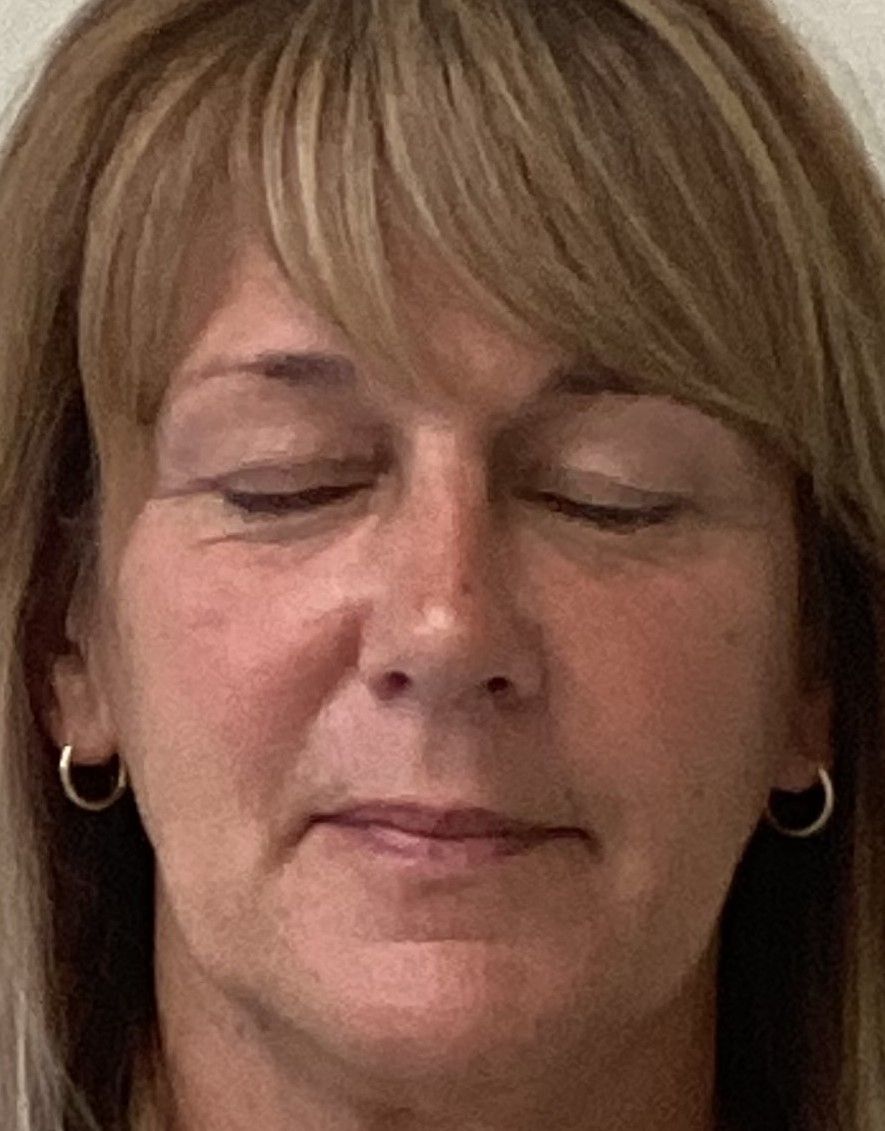 After
After
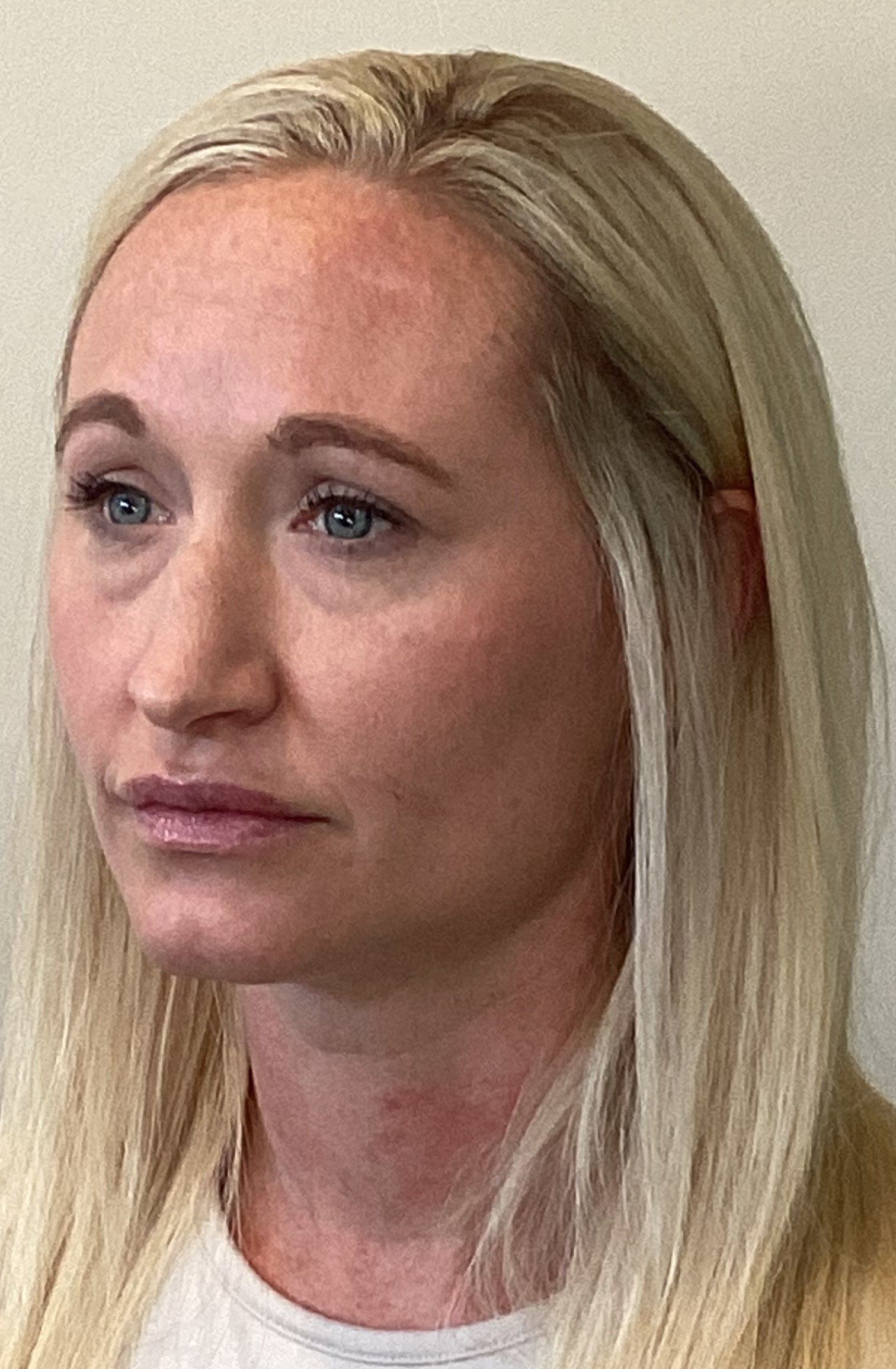 Before
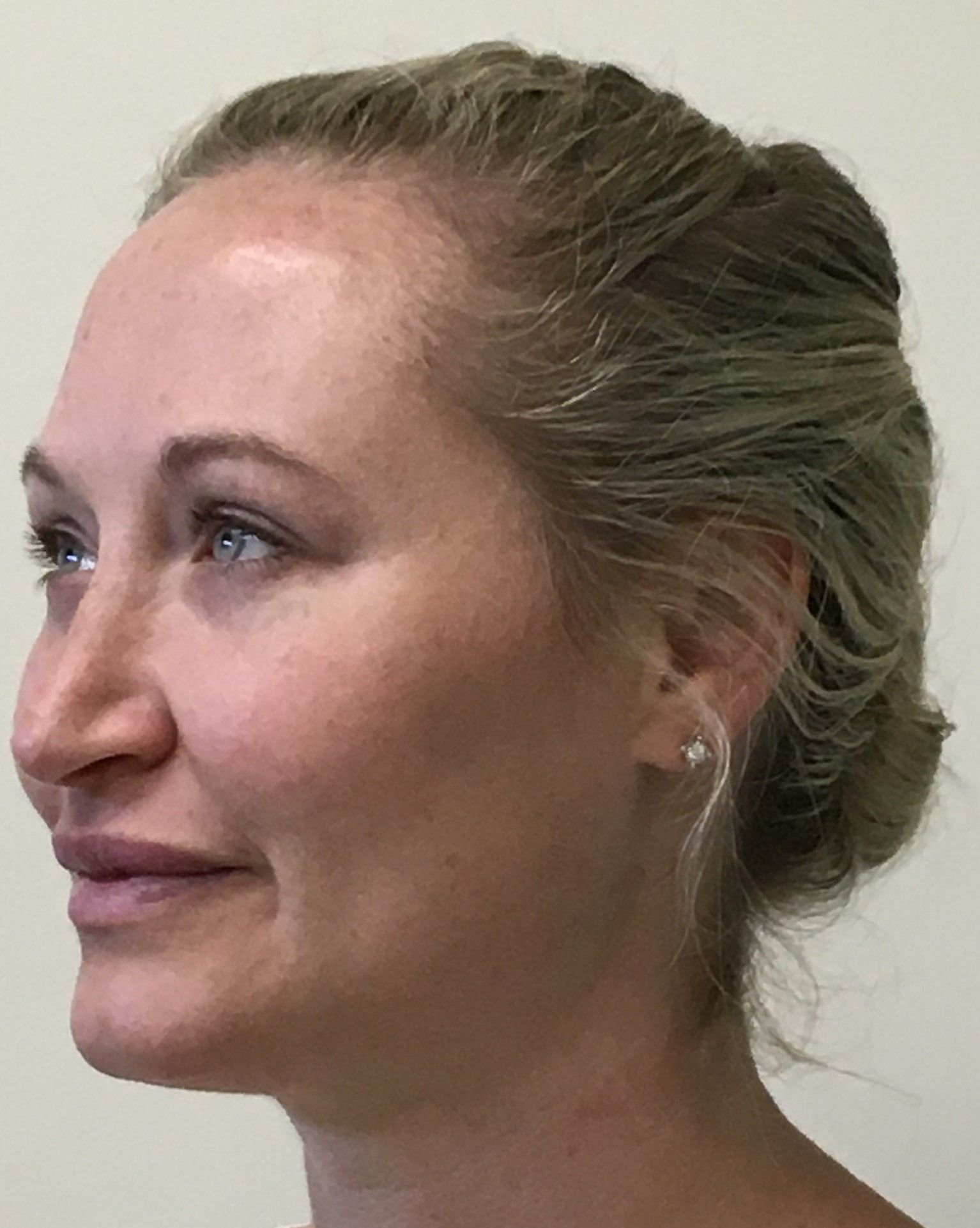 After
After
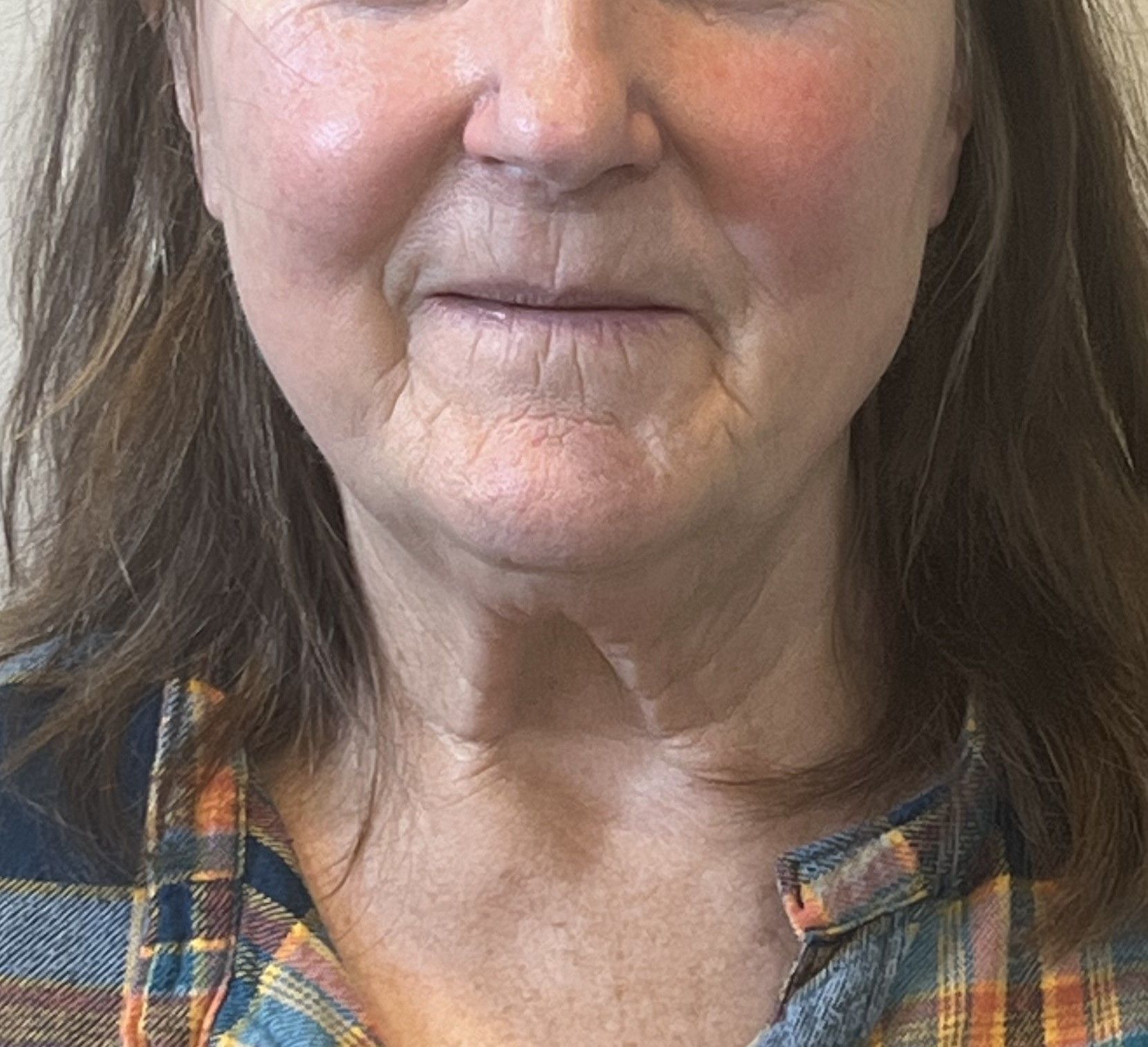 Before
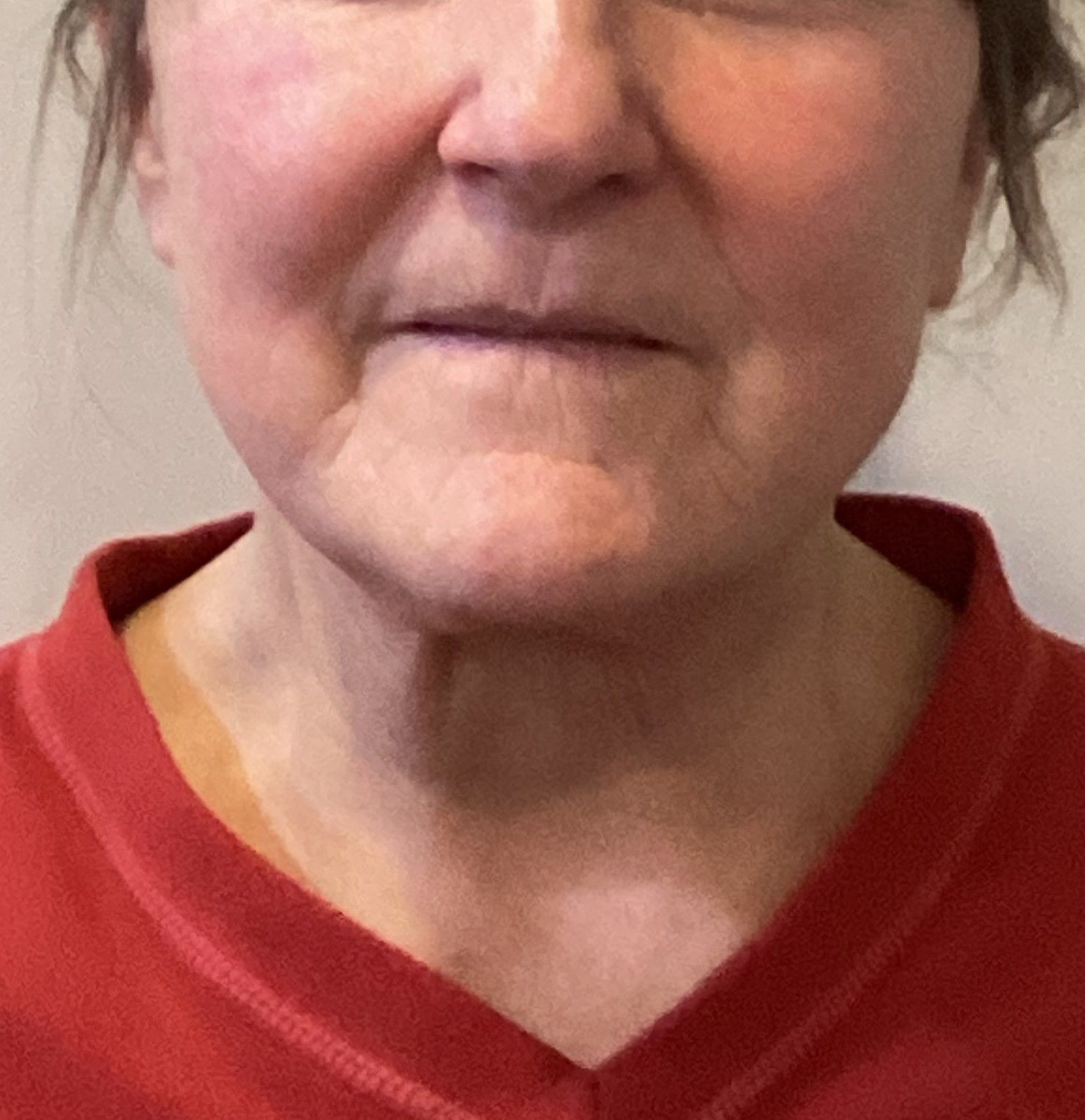 After
After
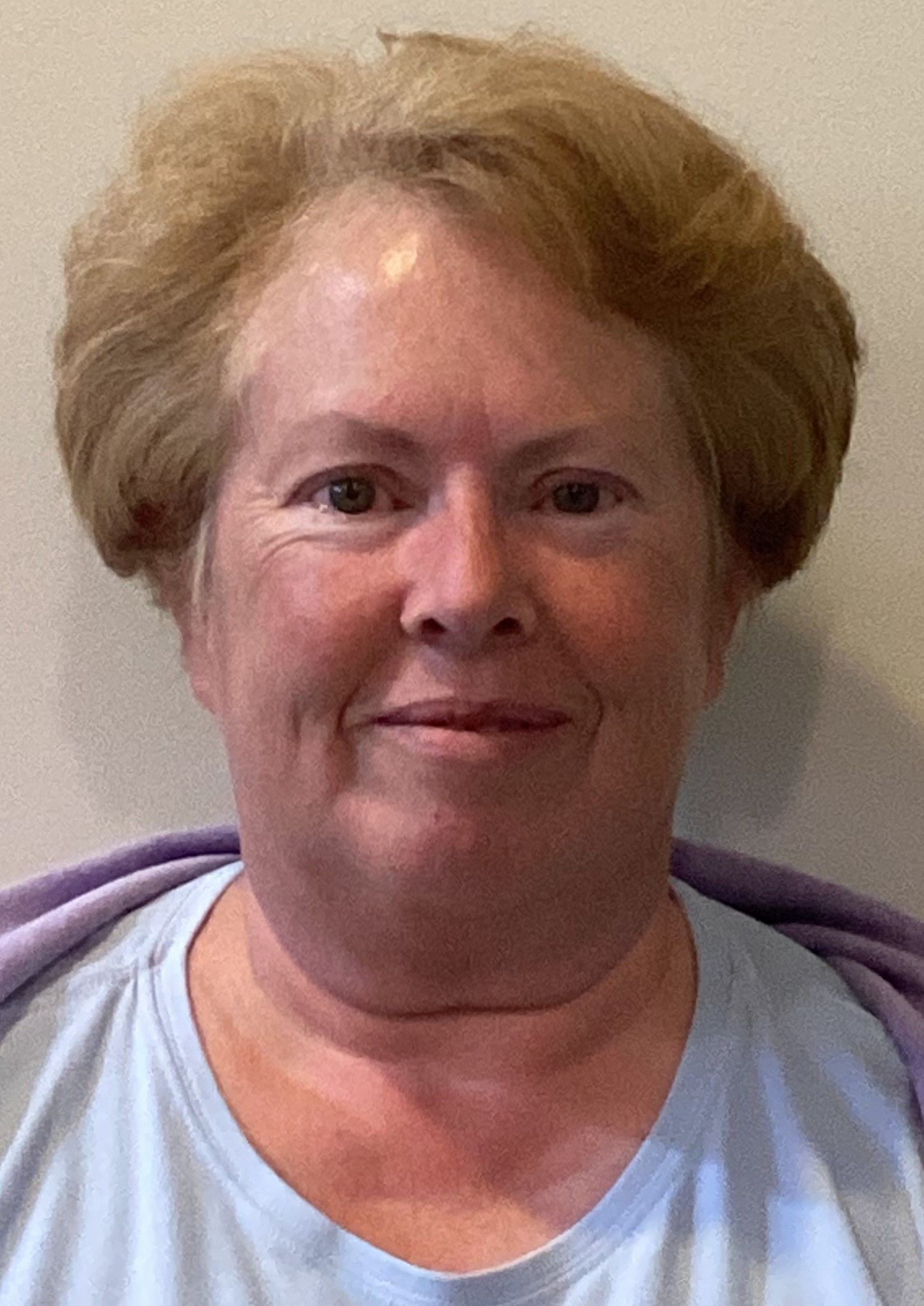 Before
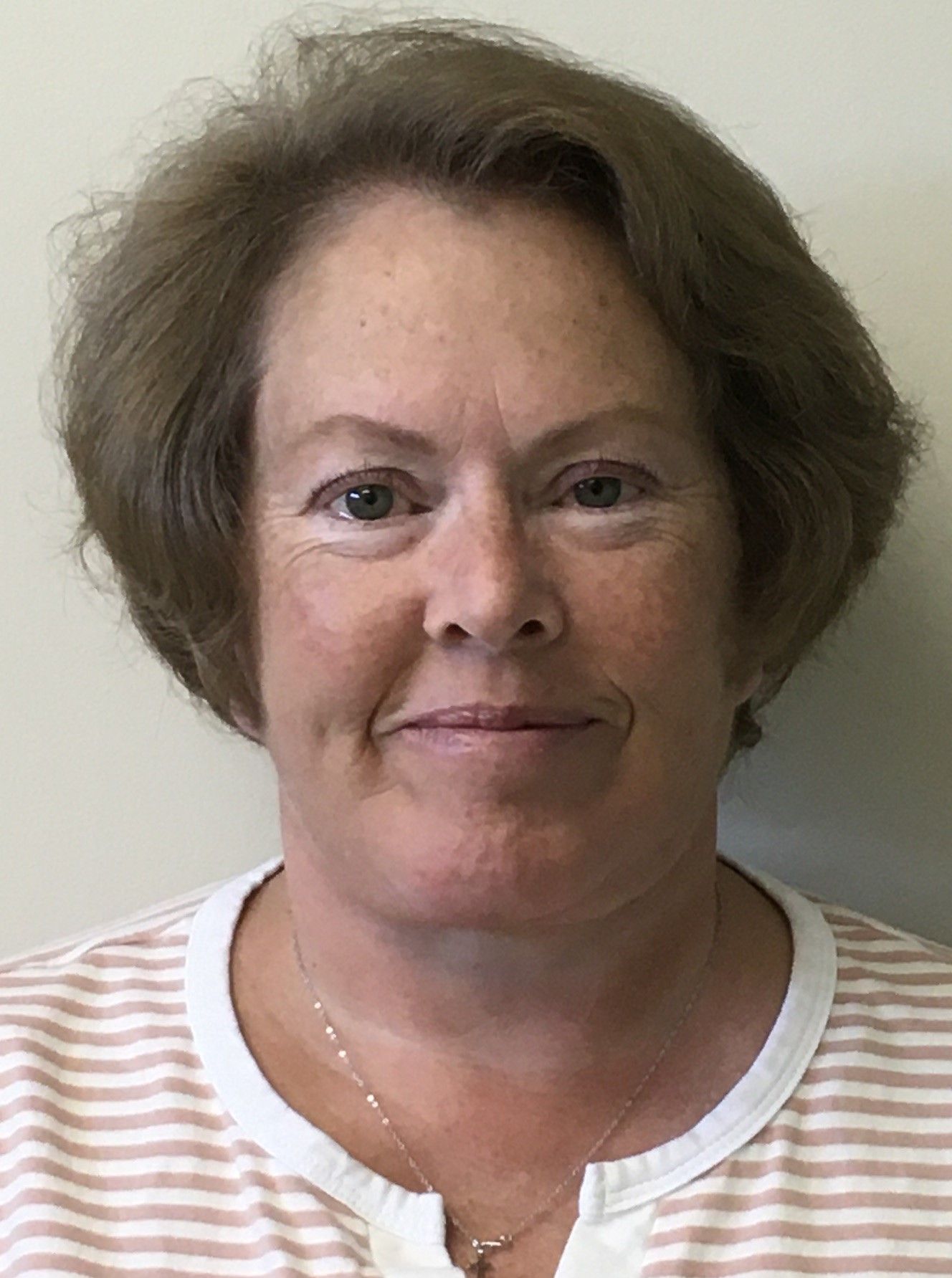 After
After
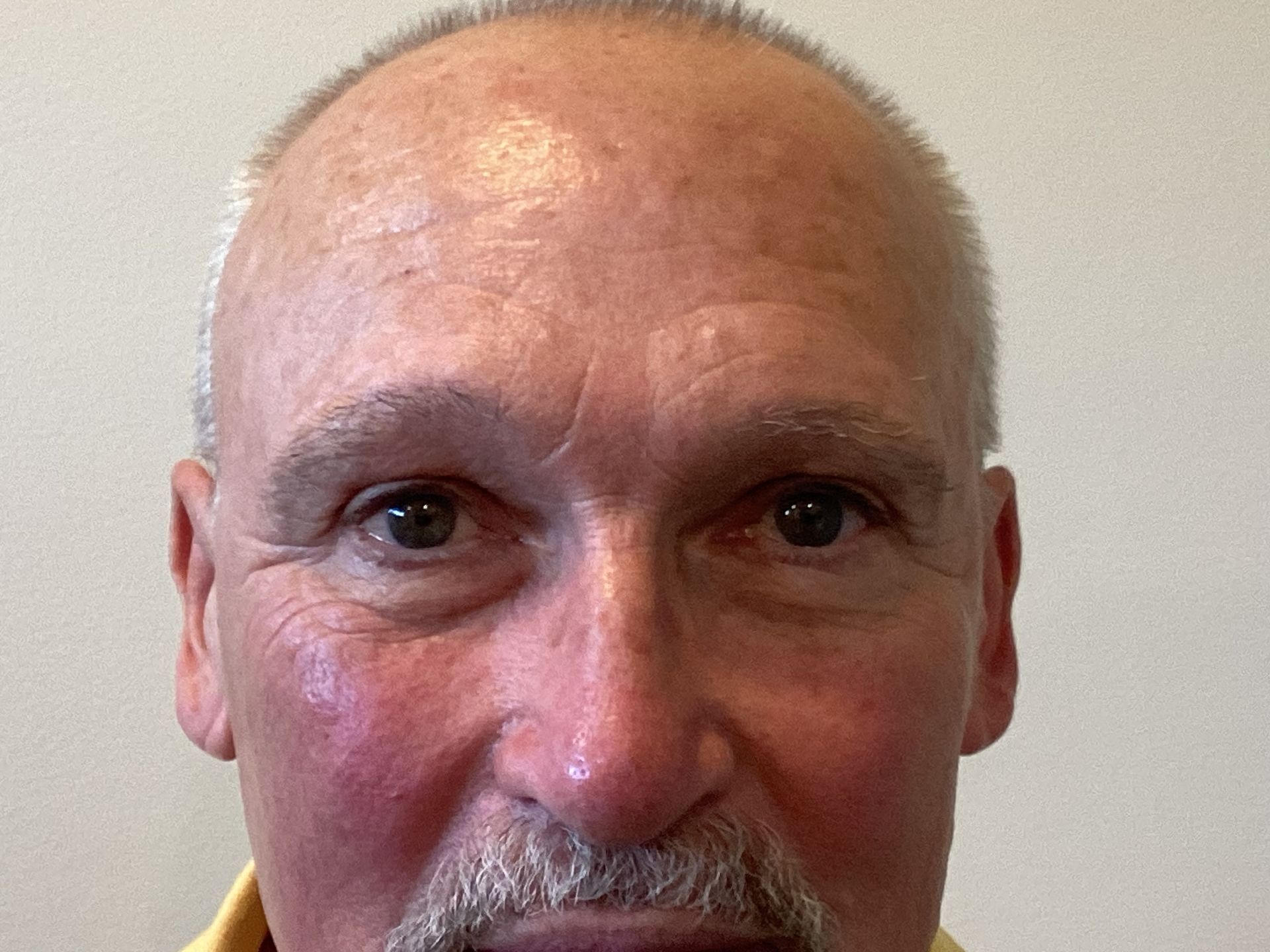 Before
 After
After
 Before
 After
After
 Before
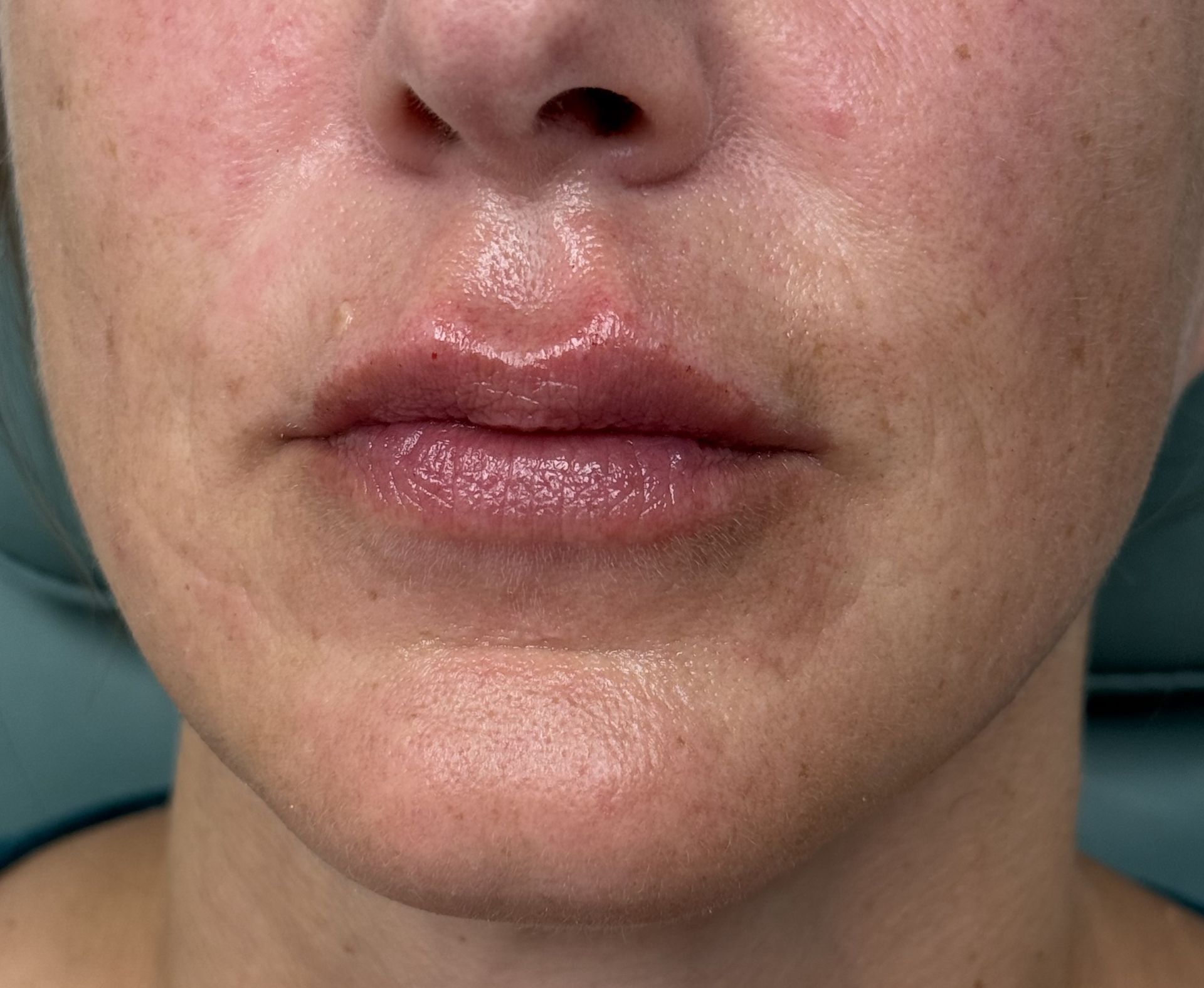 After
After
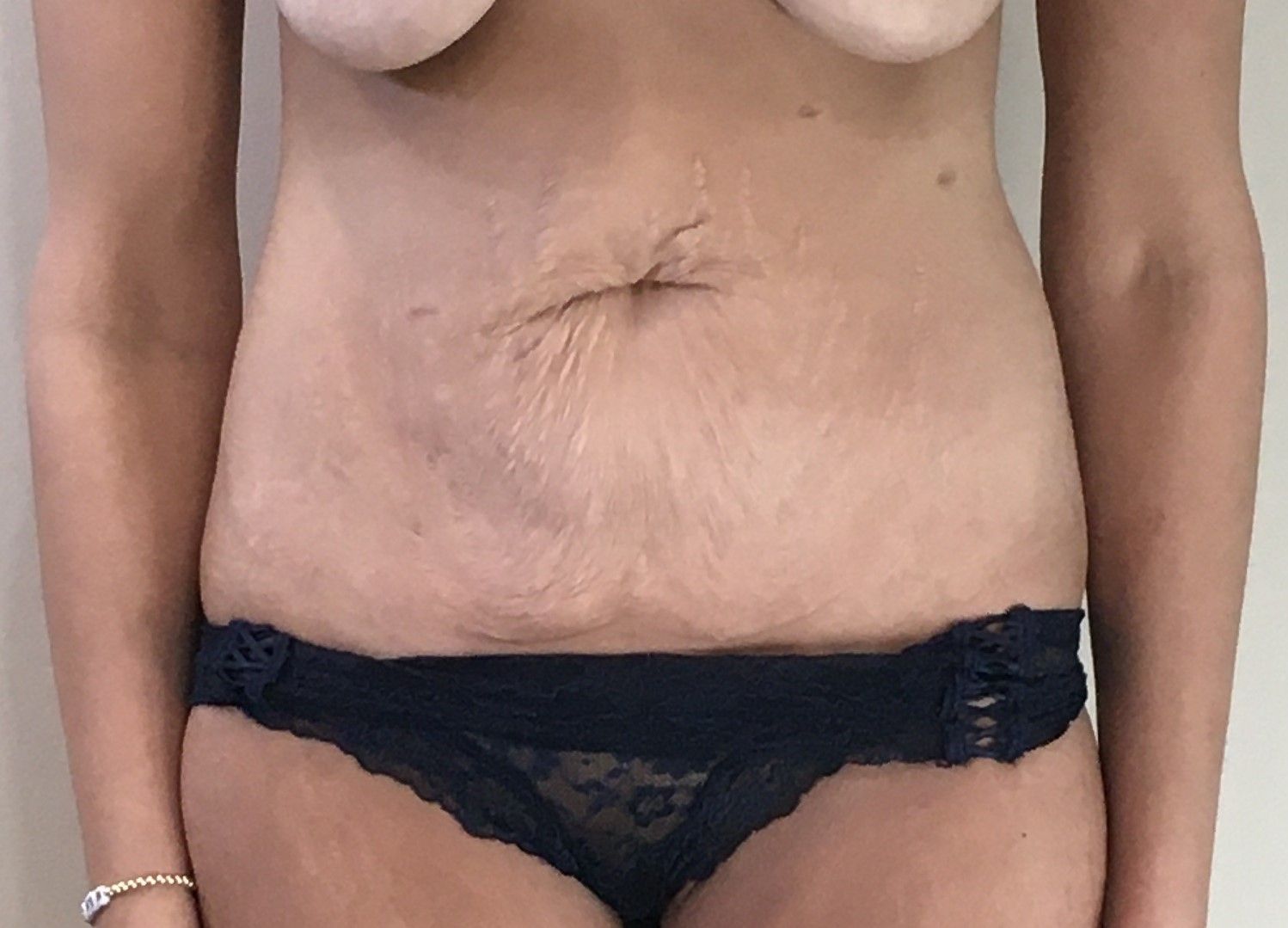 Before
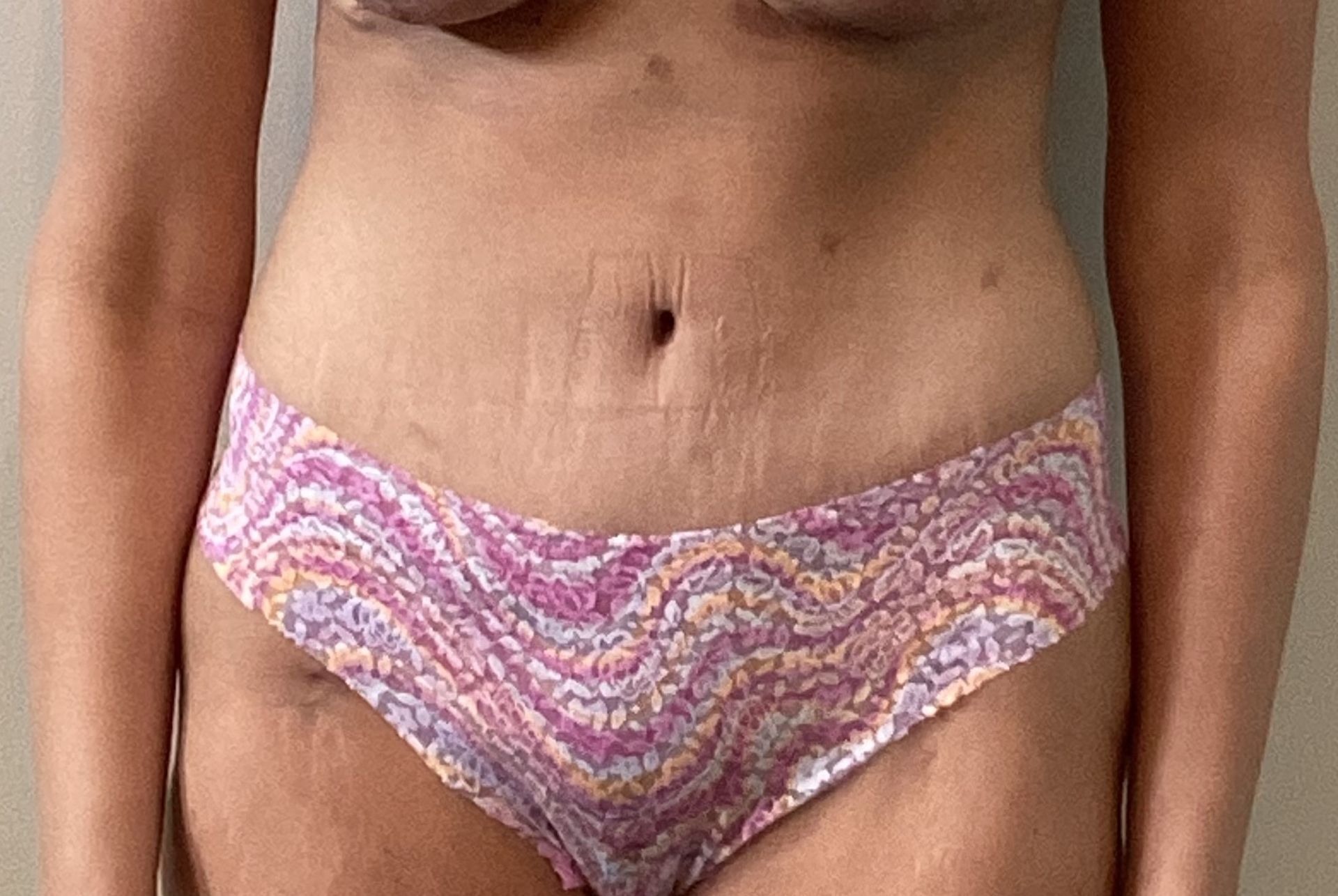 After
After
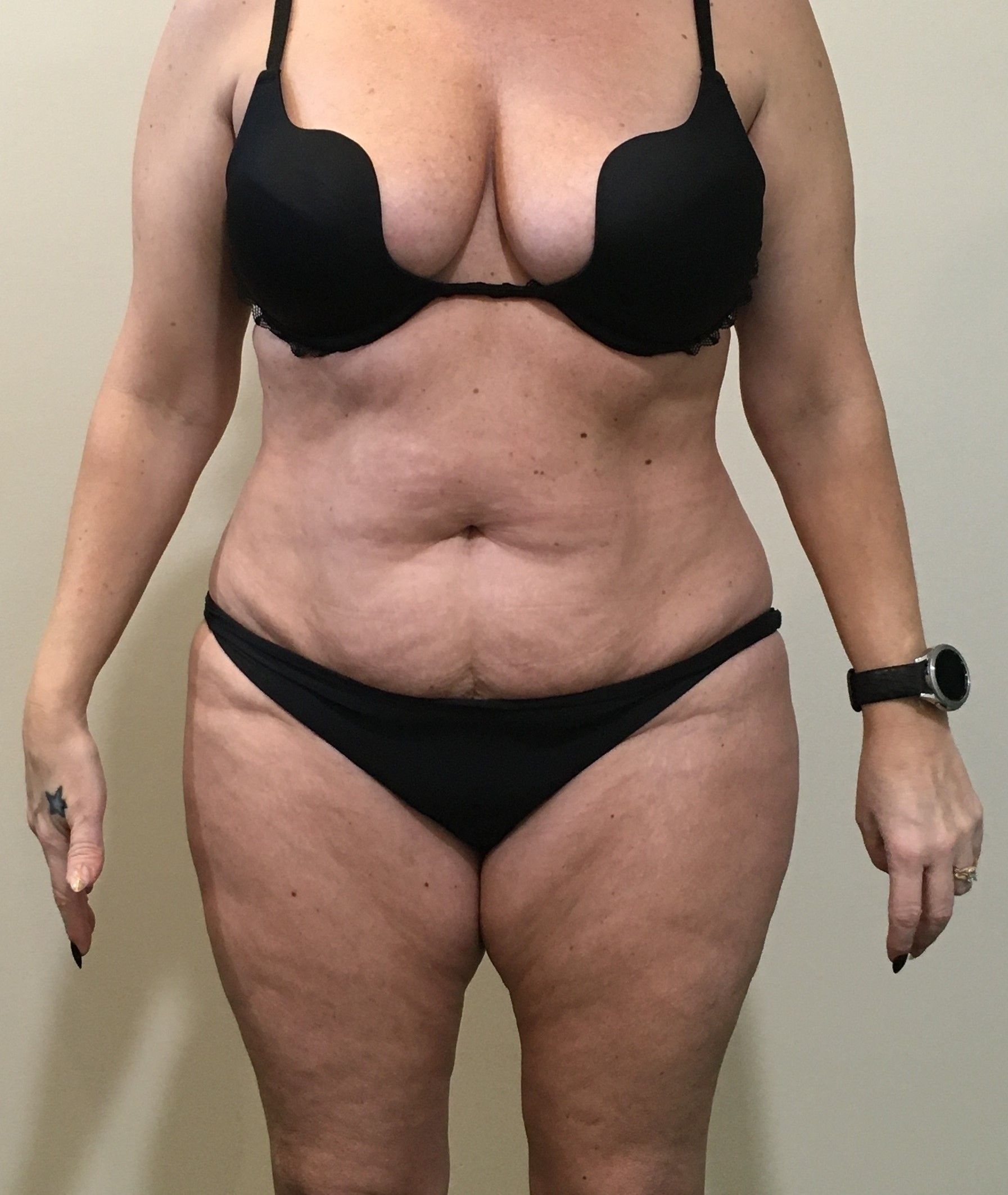 Before
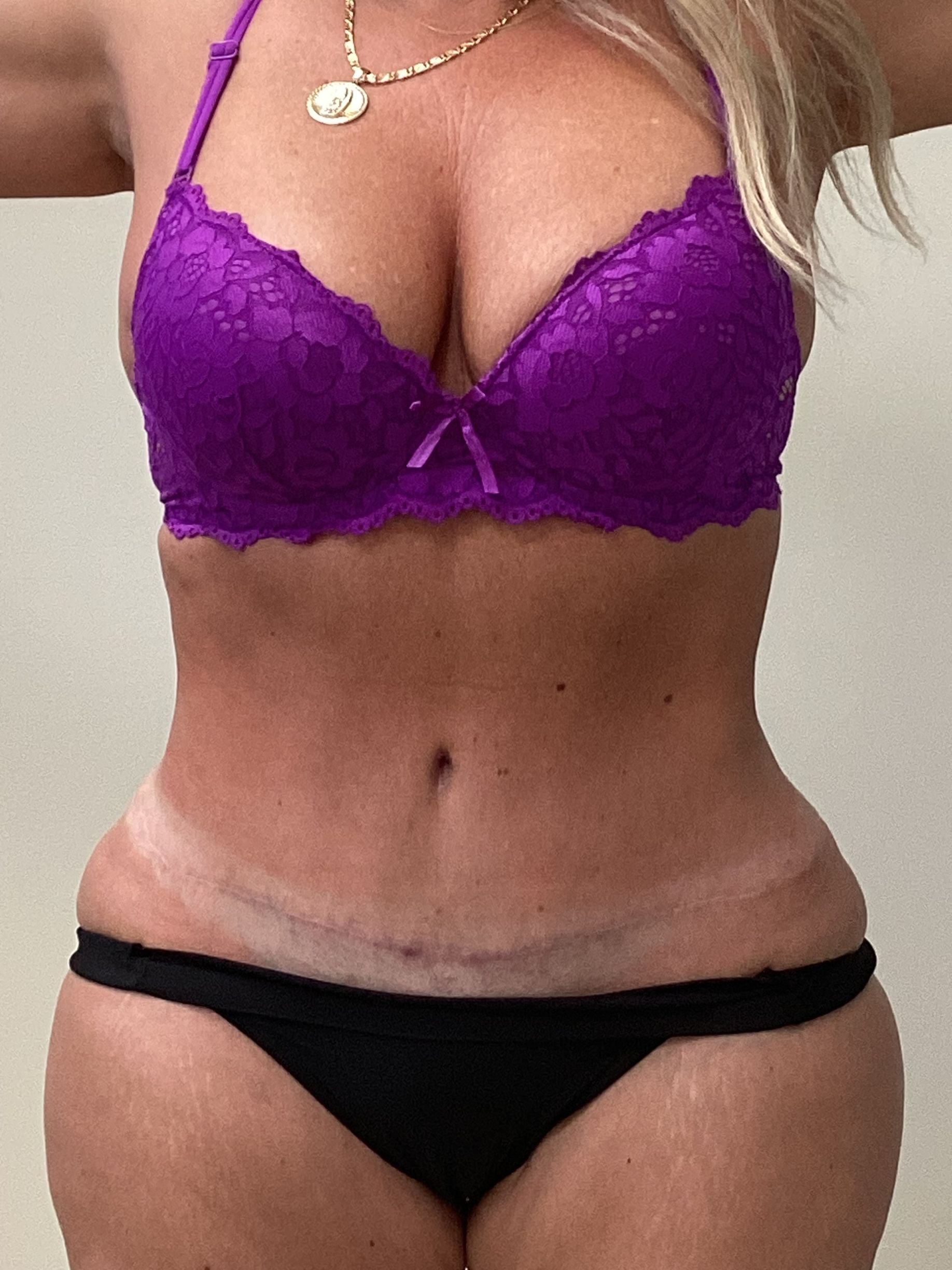 After
After
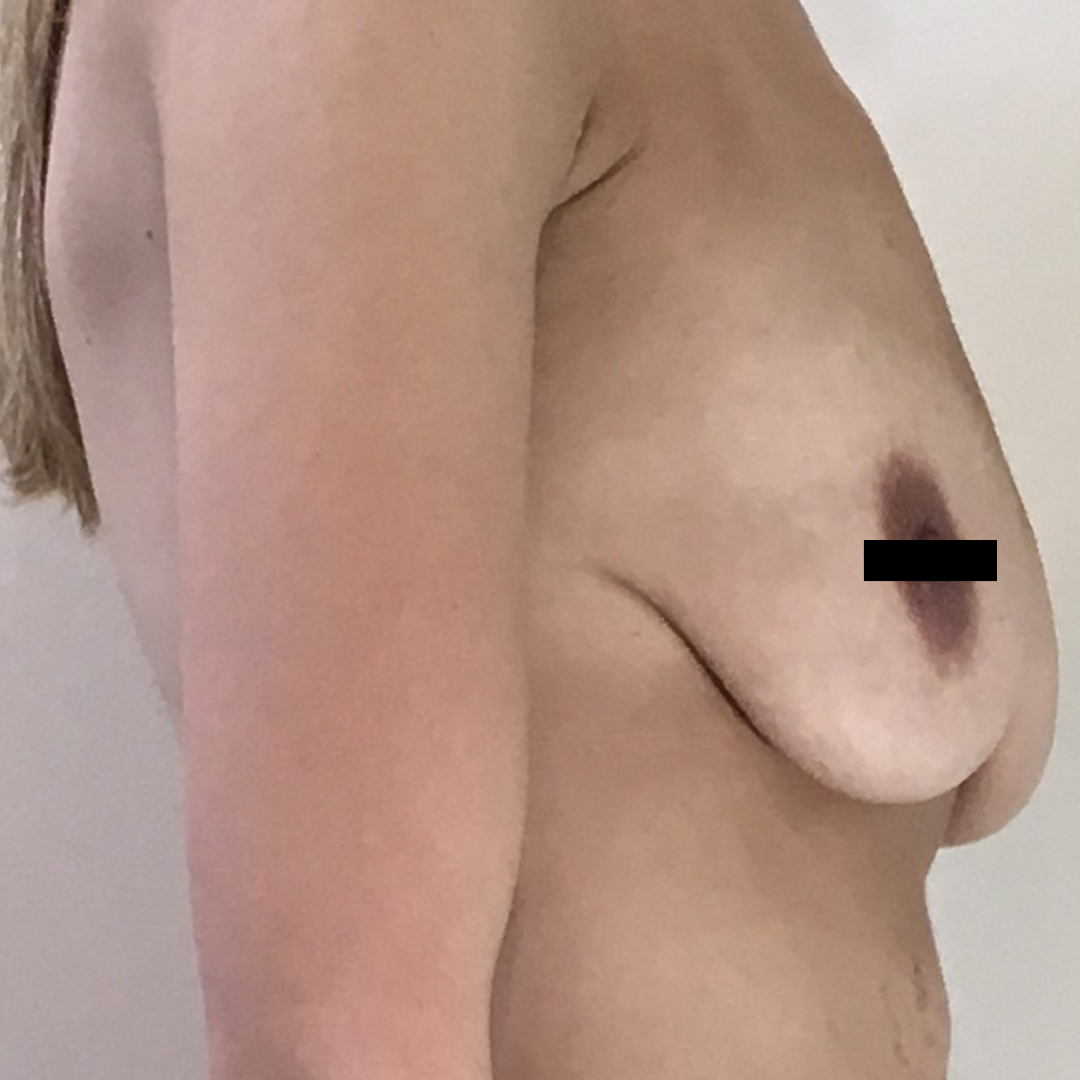 Before
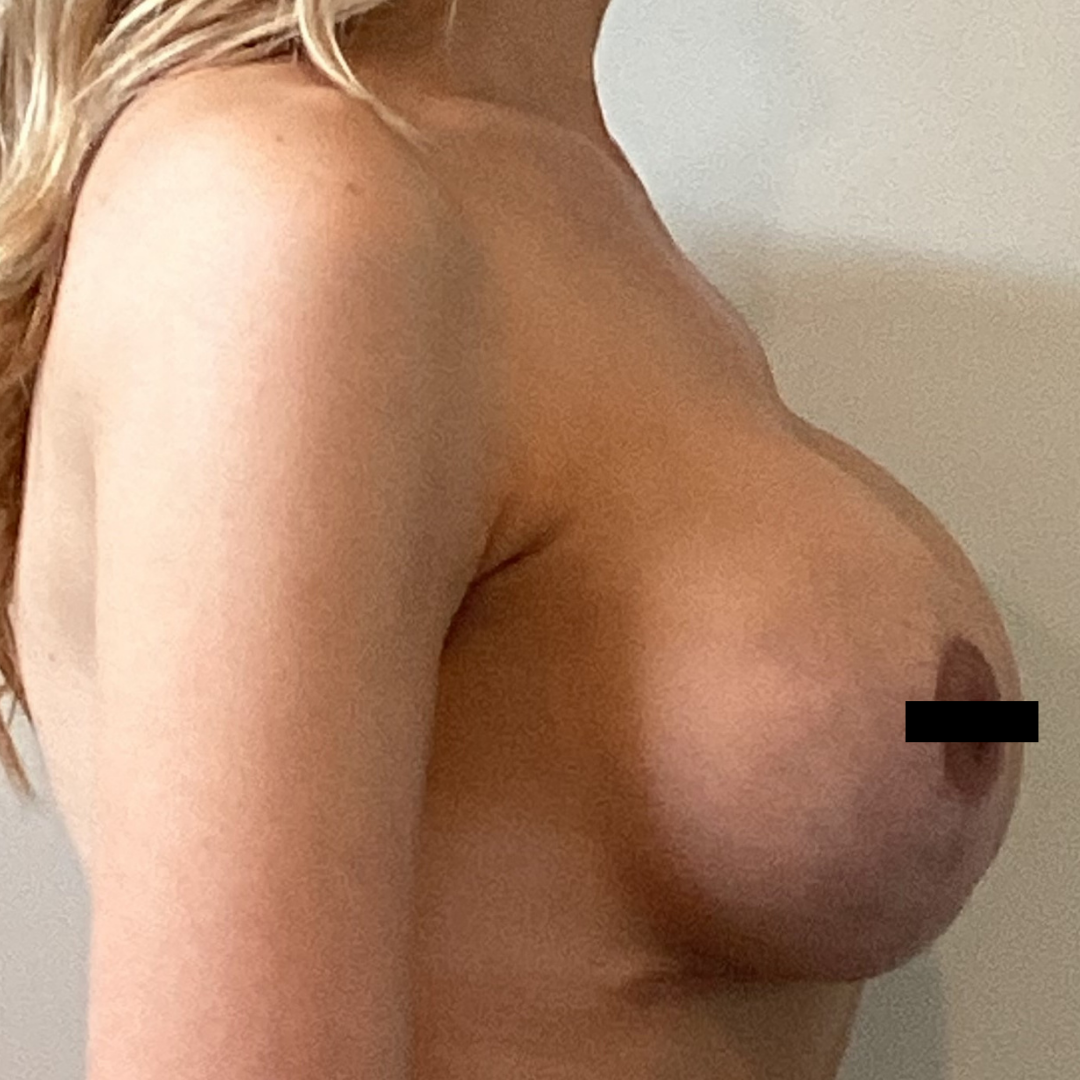 After
After
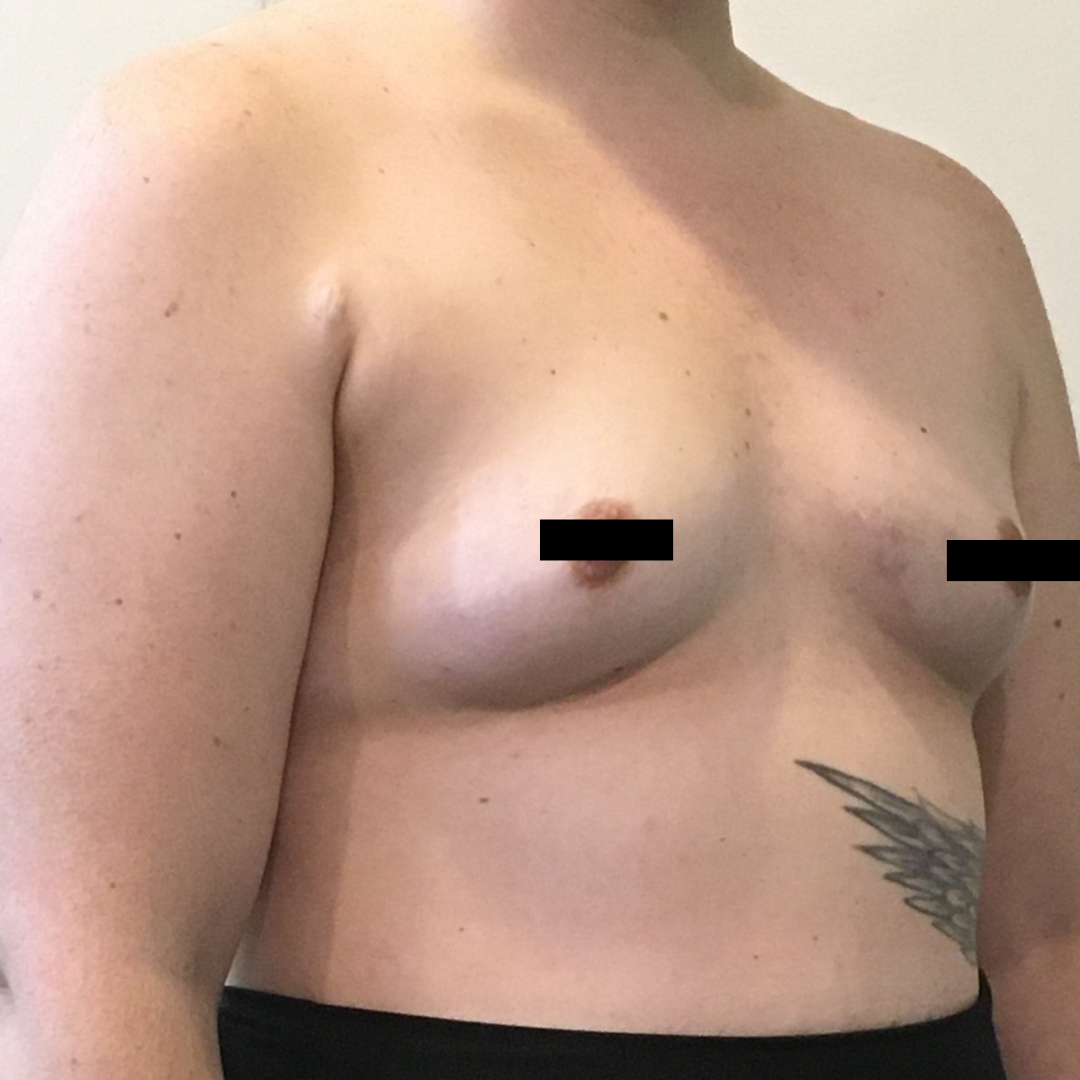 Before
 After
After
 Before
 After
After
 Before
 After
After
 Before
 After
After
Comprehensive Cosmetic Surgery & Oral Surgery Services
From facial rejuvenation and body contouring to medical aesthetics and oral & maxillofacial surgery, Connecticut Surgical Arts offers a comprehensive range of personalized treatments designed to enhance natural beauty, restore function, and help you feel confident at every stage of life. Explore our services below to learn more about the treatment options available in Norwich, CT.
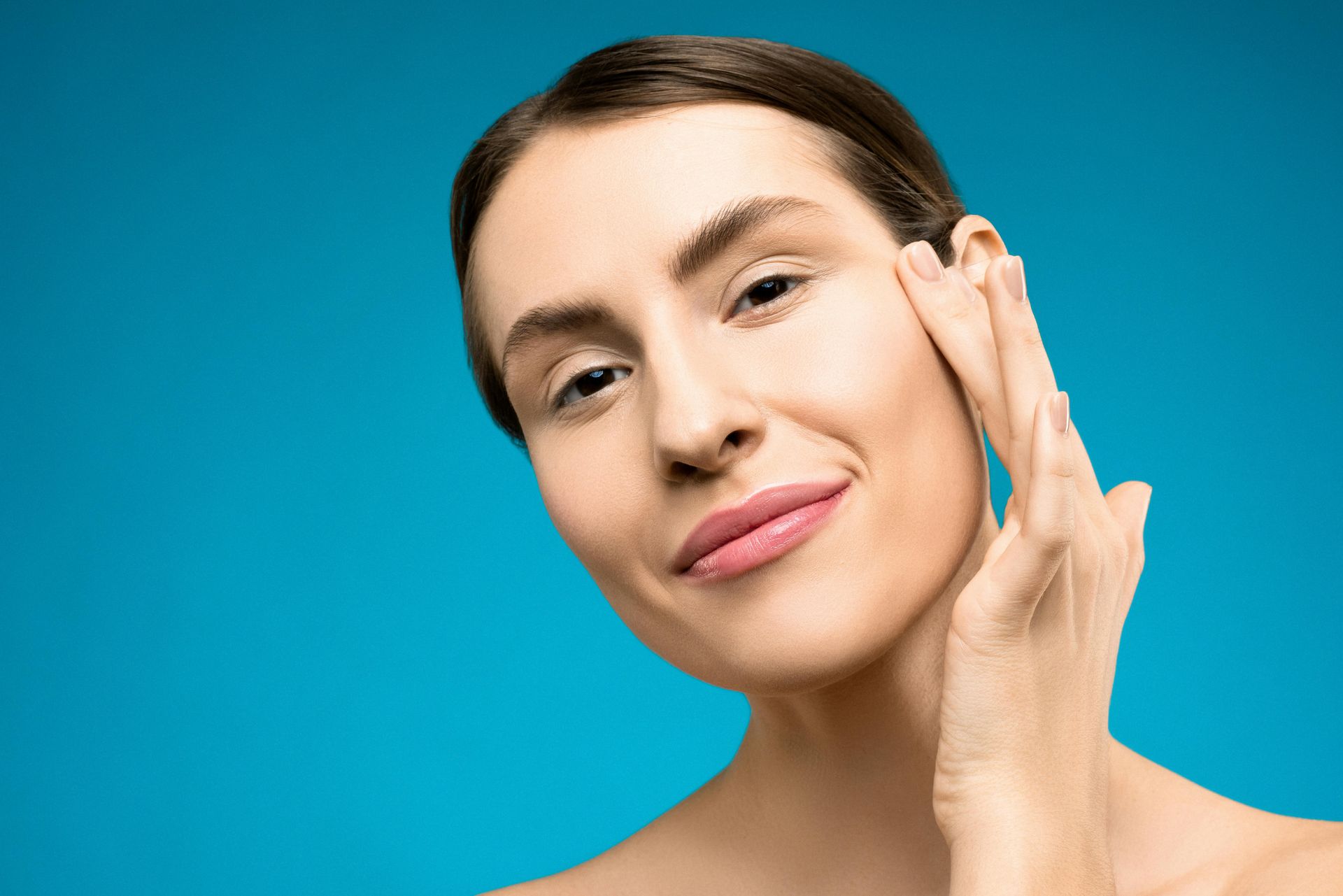
Facelift

Rhinoplasty

Eyelid Surgery